Top Rehabilitation Products for Physiotherapy and Occupational Therapy
Rehabilitation is a vital part of recovery for many individuals. Whether recovering from surgery, injury, or managing a chronic condition, the right tools can make a significant difference. Physiotherapy and occupational therapy are two fields that focus on helping people regain their strength, mobility, and independence. In this blog post, we will explore some of the top rehabilitation products that can enhance therapy sessions and support recovery.
Understanding Physiotherapy and Occupational Therapy
Before diving into the products, it is essential to understand the difference between physiotherapy and occupational therapy.
Physiotherapy focuses on physical rehabilitation. It helps patients improve their movement and manage pain through exercises, manual therapy, and other techniques.
Occupational therapy, on the other hand, aims to help individuals perform daily activities. This can include anything from dressing and cooking to returning to work.
Both therapies often work hand in hand, and the right products can support both fields effectively.
Essential Rehabilitation Products
1. Resistance Bands
Resistance bands are versatile tools used in both physiotherapy and occupational therapy. They come in various resistance levels, making them suitable for different strength levels.
Benefits of Resistance Bands:
Portability: Easy to carry and use anywhere.
Versatility: Can be used for a wide range of exercises.
Adjustable Resistance: Users can increase or decrease resistance as needed.
These bands can help improve strength, flexibility, and range of motion. They are particularly useful for patients recovering from surgery or injury.
2. Foam Rollers
Foam rollers are excellent for muscle recovery and pain relief. They are often used in physiotherapy to help release muscle tightness and improve blood flow.
How to Use Foam Rollers:
Self-Massage: Roll over tight muscles to relieve tension.
Stretching: Use them to assist with stretching exercises.
Foam rollers come in various densities, allowing users to choose one that suits their comfort level.
3. Balance Boards
Balance boards are fantastic for improving stability and coordination. They are especially beneficial for patients recovering from lower limb injuries.
Key Features of Balance Boards:
Improves Core Strength: Engages core muscles during use.
Enhances Coordination: Helps with balance and stability.
Using a balance board can be a fun way to incorporate balance training into therapy sessions.
4. Hand Therapy Putty
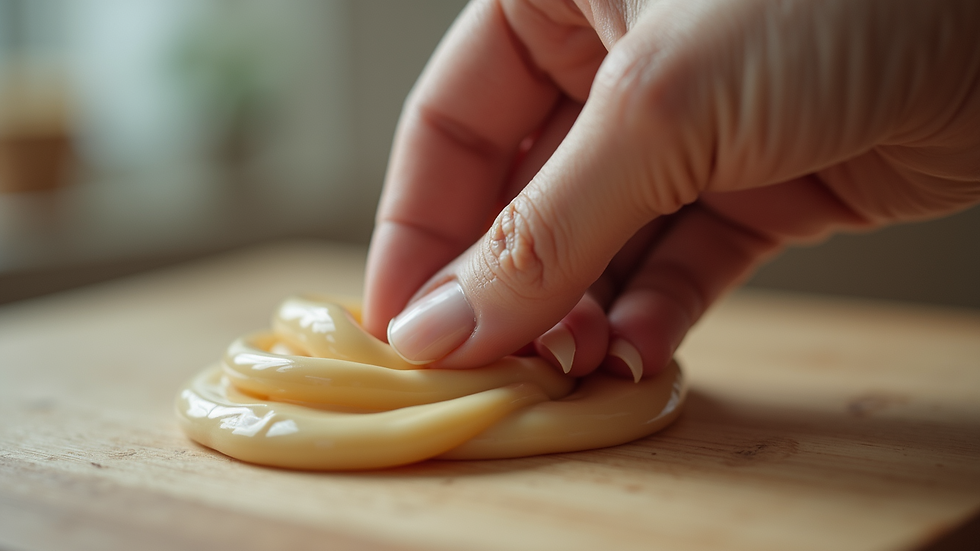
Hand therapy putty is a simple yet effective tool for improving hand strength and dexterity. It is often used in occupational therapy to help patients regain function in their hands.
Benefits of Hand Therapy Putty:
Customizable Resistance: Available in different firmness levels.
Engaging: Can be shaped and molded, making exercises more enjoyable.
Patients can use the putty for various exercises, such as squeezing, rolling, and pinching, to enhance their hand function.
5. Exercise Balls
Exercise balls, also known as stability balls, are great for improving core strength and stability. They can be used in both physiotherapy and occupational therapy settings.
Uses of Exercise Balls:
Core Strengthening: Helps engage core muscles during exercises.
Balance Training: Can be used for various balance exercises.
These balls come in different sizes, allowing users to choose one that fits their height and comfort level.
Choosing the Right Products
When selecting rehabilitation products, consider the following factors:
Individual Needs: Each patient has unique requirements based on their condition and recovery goals.
Therapist Recommendations: Always consult with a therapist for personalized product suggestions.
Quality and Durability: Invest in high-quality products that can withstand regular use.
Incorporating Products into Therapy Sessions
Using rehabilitation products effectively requires planning. Here are some tips for incorporating these tools into therapy sessions:
Set Clear Goals: Define what you want to achieve with each product.
Create a Routine: Establish a consistent routine that includes various exercises.
Monitor Progress: Keep track of improvements to stay motivated.
Example Routine with Rehabilitation Products
Warm-Up: Start with light stretching using resistance bands.
Strength Training: Use hand therapy putty for hand exercises.
Balance Training: Incorporate balance boards for stability exercises.
Cool Down: Finish with foam rolling to relieve muscle tension.
The Role of Technology in Rehabilitation
In recent years, technology has played a significant role in rehabilitation. Many products now incorporate technology to enhance therapy.
1. Smart Wearables
Wearable devices can track progress and provide feedback during exercises. They can help patients stay motivated and engaged in their recovery journey.
2. Virtual Reality
Virtual reality (VR) is emerging as a tool in rehabilitation. It can create immersive environments for patients to practice movements and improve their skills in a fun way.
3. Mobile Apps
There are numerous mobile apps designed to support rehabilitation. These apps can provide exercise routines, track progress, and offer reminders for therapy sessions.
The Importance of Patient Education
Educating patients about the products they use is crucial. When patients understand how to use rehabilitation tools effectively, they are more likely to engage in their recovery.
Tips for Educating Patients:
Demonstrate Usage: Show patients how to use each product correctly.
Provide Written Instructions: Give them handouts or links to videos for reference.
Encourage Questions: Create an open environment for patients to ask about their therapy.
Success Stories
Hearing success stories can inspire both patients and therapists. Here are a couple of examples:
Case Study 1: A patient recovering from knee surgery used resistance bands to regain strength. Over several weeks, they progressed from light resistance to heavier bands, significantly improving their mobility.
Case Study 2: An elderly patient with arthritis used hand therapy putty to enhance their grip strength. After consistent use, they were able to perform daily tasks independently, such as buttoning shirts and opening jars.
Final Thoughts on Rehabilitation Products
Choosing the right rehabilitation products can significantly impact recovery. Whether you are a therapist or a patient, understanding the available tools is essential.
By incorporating these products into therapy sessions, individuals can enhance their recovery experience. Remember to consult with a therapist for personalized recommendations and guidance.
With the right tools and support, recovery is not just possible, it can be a rewarding journey toward regaining independence and improving quality of life.

As you embark on your rehabilitation journey, keep exploring new products and techniques. The right tools can make all the difference in achieving your goals.

Comments